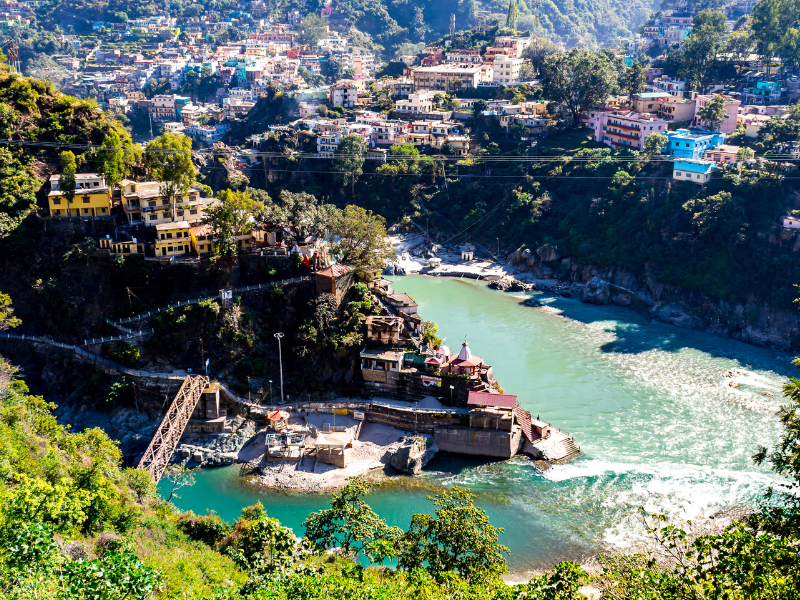
Beyond the cities, Vietnam opens into landscapes of breathtaking beauty. The Mekong Delta, known as the country’s rice bowl, is a vast and fertile region filled with rivers, canals, orchards, and floating markets.
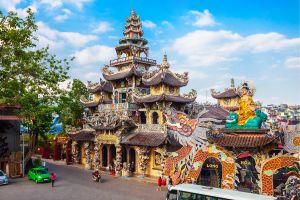
Vietnam’s cultural richness is equally compelling. From Khmer pagodas and Cham villages to temples and communal houses, spiritual and cultural diversity weave into everyday life. The locals are known for their warmth, resourcefulness, and strong sense of community.
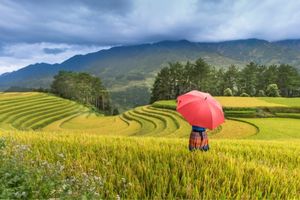
Vietnam rewards nature lovers with captivating forests alive with birdlife, winding waterways reflecting golden skies, and lush countryside stretching as far as the eye can see. Whether cycling through rural paths or exploring vibrant markets, Vietnam reveals itself in moments both grand and intimate.
Top Things to Do in Vietnam
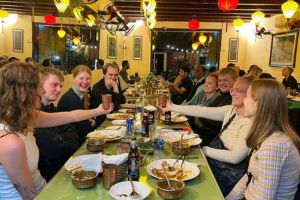
Hanoi’s Sidewalk Dining Culture
Do what locals do if you want to explore the best of Vietnam package. Take a low stool on bustling sidewalks and soak up everyday Vietnamese life through food and movement.
Dawn Floating Markets in the Mekong Delta
Visit a floating market like Cai Rang early in the morning. Colorful boats piled high with coffee and noodle bowls glide through the river water as locals trade.
Live Performances at Saigon Opera House
A great way to appreciate Vietnamese creativity in a historic setting is through Saigon’s French Colonial opera house, which depicts traditional arts, contemporary dance, and modern shows.
Village Artisan Immersion
To immerse yourself in village artisan culture, you can engage in activities like traditional basket weaving, rice cracker making, and fishing with local families.
Temple of Literature in Hanoi
It’s a serene space of courtyards, scholar shrines, and history – a window into Vietnam’s royal heritage.
Waterfalls of Northern Vietnam
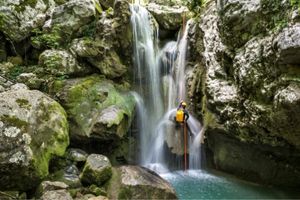
Venture north to explore natural waterfalls like Ban Gioc on the China border, as well as Thac Bac in Sapa and Khe Van in Quang Ninh.
Binh Tay Market (Ho Chi Minh City)
Visit Binh Tay Market to wander through local textiles, hats, spices, and food.
Rice Paddy Cycling Tour
Cycle amid emerald rice fields, from the Red River Delta in the north to the countryside around Hoi An, for serene views and a rural experience.
Stroll the My Son Ruins
Explore the ancient My Son Sanctuary – a cluster of Hindu temple ruins dating from the 4th to 13th centuries, built by the Cham Kingdom. This UNESCO World Heritage Site reveals remarkable architectural artistry deep in a jungle valley near Da Nang.
Get Lost in Hanoi’s Old Quarter
Let yourself wander the winding alleys of Hanoi’s Old Quarter, bursting with shops, street vendors, and cafes. Don’t forget to take a cyclo (three-wheeled bicycle taxi) ride for a unique adventure.
Traditional Water Puppet Show
Catch a water puppet show, a centuries-old art form featuring wooden figures dancing atop water to live music that originated from rice paddy entertainment.
Trek in Rural Mai Chau
Head to tranquil Mai Chau in northwest Vietnam for hiking through rice terraces and remote villages – an offbeat retreat from city crowds.
Vietnamese Coffee Culture
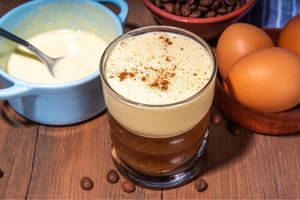
Sip on the famous creamy egg coffee of Hanoi, savour sweet coconut coffee, or enjoy drip coffee topped with salted cream to explore more stories of local tastes and traditions.
Ride a Traditional Basket Boat
Hop on a round bamboo basket boat for a fun experience at Hoi An.
Walk through a Street Food Tour
Take a walking food tour in cities like Hanoi or Saigon to let your taste buds relish some iconic dishes from pho and banh mi to lesser-known regional treats.
Walk Hidden Corridors in Hoi An
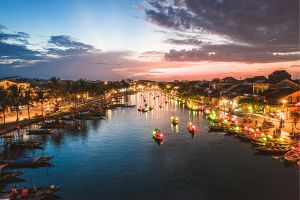
Wander beyond the lantern-lit central streets of antique Hoi An to discover hidden alleys, riverside paths, and architecture built by Cham, Chinese, Japanese, and European influences.
Must-See Spots in a Vietnam Travel Package
Phu Quoc:
Must visit for beach lovers. Surrounded by blue waters and sandy beaches, this location is popular with families and groups.
Hanoi:
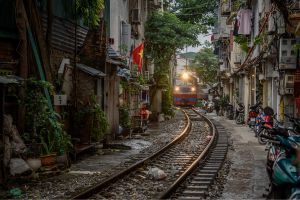
known for the famous train street There’s no better place to begin your journey than the capital of Vietnam. This vibrant city surprises travellers with its mix of world-class dining, irresistible street food, infrastructure, cozy cafes, and cinematic surroundings that make every corner feel alive. One of the most thrilling highlights of Hanoi is the famous Train Street, where the railway passes through a tight gap, and trains rumble by just inches away from cafes and balconies, creating a heart-racing and unforgettable experience.
Lan Ha Bay & Bai Tu Long Bay – Best for Scenic Seascapes and Peaceful Cruising
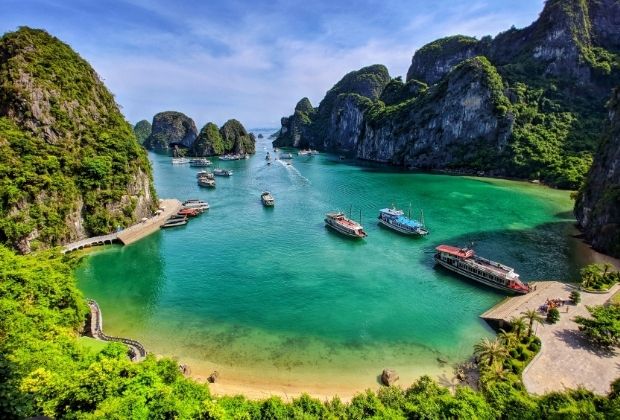
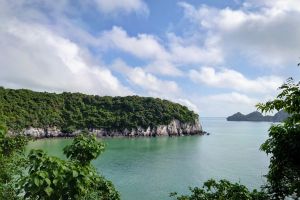
Lan Ha Bay and Bai Tu Long Bay offer the best limestone karsts and emerald waters, but with fewer crowds and a calmer atmosphere. Travelers can kayak between towering rock formations, swim in lagoons, or relax on lesser-known beaches. These regions are ideal for travelers seeking iconic views without the heavy tourist traffic.
Ho Chi Minh City – Best for Nightlife
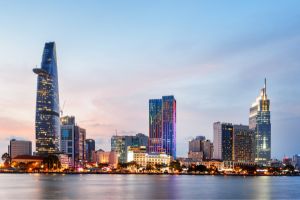
Ho Chi Minh City is fast-paced, vibrant, and lively, blending modern skyscrapers with colonial architecture, bustling markets, and historic landmarks. By day, explore museums, heritage buildings, and coffee shops; by night, enjoy street food, explore rooftop bars, and vibe with nightlife.
Phong Nha -Ke Bang National Park – Best for Adventure and Caves
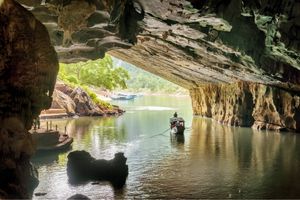
Home to some of the world’s most extraordinary caves, Phong Nha–Ke Bang is a dream for adventure seekers. The park houses hundreds of caves, including the world-famous Son Doong, though many others are far more accessible and equally magnificent.
Hoi An – Best for History and Cultural Charm
Hoi An feels like a living museum. Once a thriving international trading port, the town still preserves its heritage through lantern-lit streets, wooden shophouses, ancient bridges, and ornate assembly halls. Hoi An is known for its tailor shops, cooking classes, and relaxed pace of life.
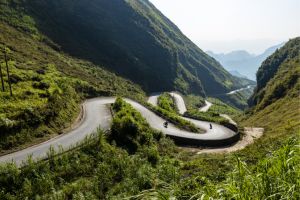
Ha Giang – Best for Mountain Views and Remote Landscapes
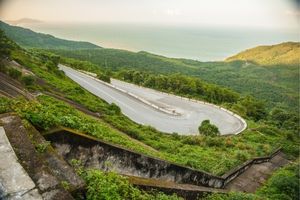
Located in northern Vietnam, this mountainous province is popular among travellers for limestone peaks, winding roads, and deep valleys dotted with ethnic villages.
The scenic loop between Ha Giang town, Dong Van, and Meo Vac is considered one of the most breathtaking road journeys in Southeast Asia. Travelers can hike, ride motorbikes, or stay in homestays to experience daily life in remote communities.
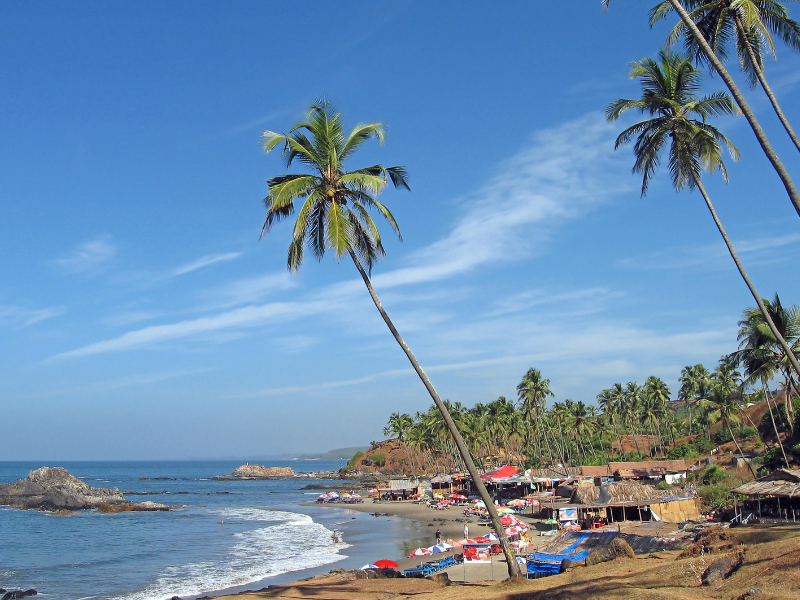
Central Vietnam Beaches – Best for Sun and Sea
Vietnam’s central coastline offers a variety of beach experiences. Danang and Nha Trang are lively and well-developed, known for long sandy beaches, seafood dining, and entertainment. Meanwhile, quieter stretches like Mui Ne or Doc Let appeal to travelers looking for relaxation and water sports.
Mui Ne is especially popular for kitesurfing, while Doc Let offers long, uncrowded beaches and calm waters. The region balances leisure, local culture, and coastal scenery beautifully.
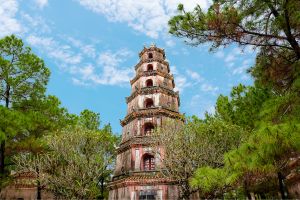
Hue – Best for Imperial History
Once the imperial capital of Vietnam, Hue is rich in royal heritage. The grand Citadel and Imperial City reflect the country’s dynastic past, with palaces, temples, and gates spread along the Perfume River.
Ba Be National Park – Best for Lakes and Forest Escapes
Ba Be National Park is a tranquil retreat filled with forests, hills, and one of Vietnam’s largest natural lakes. It’s a wonderful place for kayaking, boat rides, and gentle trekking.
The park is home to diverse wildlife and ethnic communities like the Tay, Hmong, and Dao. Staying in local homestays allows travelers to experience rural life while enjoying untouched natural surroundings – perfect for slow travel and eco-tourism.
Mekong Delta – Best for River Life and Culture
The Mekong Delta offers a glimpse into Vietnam’s agricultural heartland. Life here revolves around water, with floating markets, canals, and riverside villages, reflecting a sense of tranquility.
You can explore by boat or bicycle, visit fruit orchards, watch traditional crafts, and experience the warmth of local hospitality.
Cat Ba Island – Best for Nature and Outdoor Activities
Cat Ba Island combines beaches, forests, and adventure. It’s home to Cat Ba National Park, where hiking trails lead through tropical jungle and viewpoints overlooking the bay. The island is also a base for kayaking and boat trips into the surrounding bays.
Book A Package Trip to Vietnam to Indulge in Culinary Richness
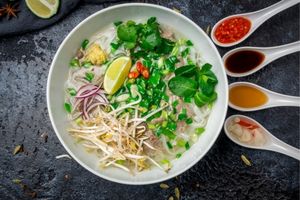
Pho
This noodle soup features flat rice noodles in a fragrant, slow-simmered broth. Depending on the region, it may be served simply with lime and chili or with a generous plate of herbs and sprouts. Light yet deeply comforting, pho is commonly eaten for breakfast across the country.
Banh Mi
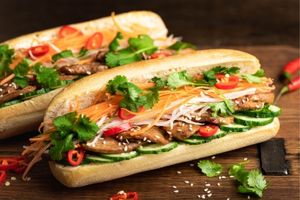
A legacy of French influence with a Vietnamese soul, banh mi is a crusty baguette filled with layers of flavor. Inside, you’ll find pate, pickled vegetables, fresh herbs, and meats ranging from pork to grilled chicken. Crunchy, tangy, and satisfying, it’s one of Vietnam’s most beloved grab-and-go meals.
Com Tam (Broken Rice)
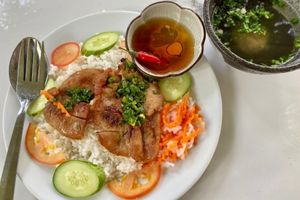
Originally a humble farmer’s dish, cơm tam has become a southern staple. Fragrant broken rice is served with grilled pork, a fried egg, and a sweet-salty fish sauce drizzle. Pickled vegetables and crispy toppings complete this hearty, comforting plate.
Bun Bo Hue:
Bold and aromatic, bun bo Hue is known for its spicy, lemongrass-infused broth and striking reddish color. Thick noodles are paired with tender beef, pork, and slices of sausage, creating a rich and satisfying soup.
Cao Lau
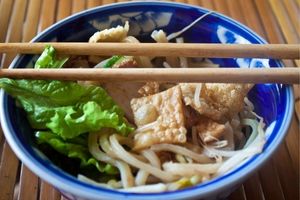
Exclusive to Hoi An, cao lau is a noodle dish that has been influenced by centuries of cultural exchange. Thick, chewy noodles are topped with slices of barbecued pork, herbs, and crunchy pork cracklings. A small amount of savory broth ties everything together, making it rich yet balanced.
Com Ga (Hoi An Chicken Rice)
This comforting dish includes shredded chicken tossed in light seasoning, served over fragrant turmeric-tinted rice. Fresh herbs, pickled vegetables, and a mild dipping sauce bring brightness to every bite. It’s a favorite meal after a long day of exploring Hoi An’s old streets.
Mi Quang
Part noodle dish, part salad, mì quảng uses only a small amount of broth, letting toppings shine. Turmeric-colored noodles are paired with shrimp, pork, or chicken and finished with herbs, peanuts, and crispy rice crackers.
Banh Xeo
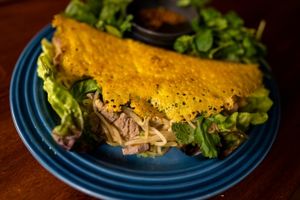
Made with rice flour, turmeric, and coconut milk, this dish is filled with pork, shrimp, and bean sprouts. It tastes best when dipped into a tangy sauce.
Bun Cha
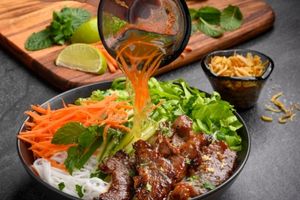
A Hanoi classic, bun cha combines grilled pork patties and slices with cool rice noodles and fresh herbs. Everything is dipped into a lightly sweet fish sauce broth, creating a perfect balance of smoky, fresh, and savory flavors. It’s especially popular at lunchtime.
Xoi
Vietnamese sticky rice comes in both sweet and savory forms and is a popular breakfast or snack. Savory versions use toppings like shredded chicken, sausage, or fried shallots, while sweet varieties use naturally dyed grains for vibrant color. Filling and comforting, xoi is loved nationwide.
Banh Beo
These delicate, bite-sized rice cakes originate from central Vietnam and are often served as shared plates. Each soft disc is topped with shrimp, mung bean paste, and crunchy bits, then finished with dipping sauce. Light yet flavorful, they’re perfect as a starter.
Bun Rieu
A tangy tomato-and-crab noodle soup, bun rieu is popular for its bright, slightly sour flavor. Soft crab cakes, tofu, and noodles float in a light broth, making it a comfort dish across the country.
Goi Cuon
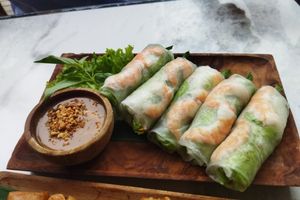
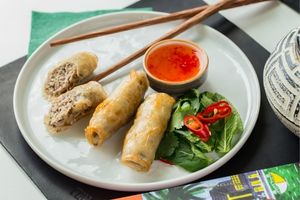
Fresh spring rolls wrapped in rice paper and packed with herbs, noodles, and shrimp or pork, the dish gets served cold with a peanut or fish-based dipping sauce. This meal item tastes light and incredibly refreshing.
Banh Can
These bite-sized pancakes are cooked in small clay molds over an open flame. Made with rice batter and topped with quail egg, shrimp, or pork, the food is crisp on the outside and soft inside. They’re usually dipped into a warm, savory broth for extra flavor.
Hu Tieu Nam Vang
A southern favorite, this noodle soup mixes a lightly sweet pork-based broth with noodles, shrimp, pork, and quail egg. It can be served dry or with soup on the side, depending on preference. The dish is a staple of everyday street food.
Best Souvenirs to Buy in Vietnam for Friends & Family
Tribal Textiles
Handwoven by Vietnam’s ethnic communities, especially in the northern highlands, these textiles showcase intricate patterns and age-old techniques passed down through generations. Buying authentic pieces supports local artisans and helps preserve their cultural heritage.
Chopsticks
Simple, affordable, and deeply symbolic, chopsticks make for an easy takeaway souvenir. Often crafted from wood or bamboo, they would instantly bring back memories of steaming bowls of pho and bun cha enjoyed in Vietnam.
Vietnamese Silk
Known for its soft texture and natural sheen, Vietnamese silk is widely sold in Hanoi, especially along Hang Gai (Silk Street). You can buy ready-made items or choose fabric tailored into custom outfits.
Vietnamese Coffee
Vietnam is one of the world’s largest coffee producers, famous for its bold Robusta beans. From classic black coffee to egg and yogurt varieties, packaged coffee makes a flavorful gift for caffeine lovers.
Paper Lanterns
Lightweight and easy to pack, Vietnamese lanterns add charm to any space. Available in vibrant colors and fabrics, they’re a decorative souvenir inspired by traditional craftsmanship.
Do Paper Art
Made from the bark of a native tree, do paper has been used for centuries in traditional folk paintings. These artworks reflect Vietnamese folklore and creativity, making them alive and meaningful cultural keepsakes.
Ao Dai
Vietnam’s iconic traditional outfit, Ao Dai, is admired for its elegance and graceful silhouette. Often worn during festivals and weddings, it can also be custom-tailored as a unique cultural gift.
Puppets and Masks
During folk theatre and festivals, these colorful masks and puppets are crafted from bamboo, palm leaves, and lacquer. Legendary characters and traditional stories are the origins of this unique art.
Lacquerware
Vietnamese lacquerware is made of layers of resin, paint, and decorative elements, all sealed by hand over time. From trays to artwork, these pieces combine fine art with everyday utility.
Bamboo Handicrafts
Another popular craft of Vietnam is handicrafts made from bamboo, including bowls, baskets, mats, and home decor.
Vietnamese Herbs & Spices
Vietnamese herbs and spices make excellent gifts for food lovers.
Conical Hats (Non La)
A timeless symbol of Vietnam, the conical hat is handwoven from palm leaves and designed to shield from the sun and rain. It’s a beautiful cultural souvenir representing everyday life across the country.
Things you need to know before booking a Vietnam Trip Package:
Best Time to Visit Vietnam:
December to March – Peak & Pleasant Season
This is the most comfortable time to visit Vietnam, with cooler temperatures, low humidity, and dry weather. Cities like Hanoi and Ho Chi Minh City are ideal for sightseeing on foot, while Phu Quoc and the Mekong Delta enjoy warm, sunny days. It’s also a good season to explore Hue and Hoi An.
April to June – Shoulder Season with Festivals
Temperatures begin rising, especially in the south, but travel remains manageable. This period hosts cultural highlights like the Hue Festival, Nha Trang Sea Festival, and Buddha’s Birthday (Phat Dan) in May. Good for travellers looking to balance experiences and budget.
July to August – Hot & Humid
This is Vietnam’s summer vacation period. Expect heat, humidity, and occasional rain, but also lively cities and coastal escapes. Da Nang’s Fireworks Festival adds colour to June–July travel.
September to November – Best for Nature Lovers
One of the best times to visit overall. Weather improves, crowds thin out, and Sapa’s rice terraces turn golden.
Important Travel Rules & Tips for Indians Visiting Vietnam
- Passport validity: Your passport must be valid for at least 6 months beyond your return date.
- E-Visa: Indian citizens can apply online for a 30-day or 90-day visa, available for single or multiple entries through Vietnam’s official immigration portal.
Money & Travel Essentials
- Currency: Vietnamese Dong (VND) is used everywhere.
- ATMs: Easily available in major cities and tourist areas.
- Power & charging: Vietnam uses Type A, C, and G plugs, so carry a universal adapter.
- Documents: Keep both physical and digital copies of your passport, visa, travel insurance, and tickets stored separately.
Local Etiquette & Practical Tips
- Bargaining: Common in local markets, negotiate politely and confirm prices before buying items or taking taxis.
- Traffic awareness: Motorbikes rush all the time on the roads; cross slowly and confidently.
- Dress code: Modest clothing is expected while visiting temples and religious sites.